{tocify} $title={Table of Contents}
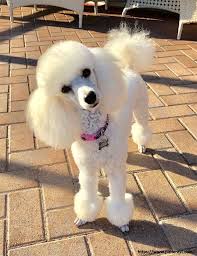
However, the fact that a geographical identifier is included in this name is incredibly confusing due to the fact that Poodles did not actually originate in France but rather in Germany.
The fact that these dogs are the national dog of France is the only viable reason why certain breeders and pet owners continue to insist on calling this breed, French Poodle. According to the available evidence, the more recent lines of French Poodles were developed in this country to serve as circus performers and duck catchers. This is how the French Poodle got its name. Poodles aren’t even known by this name in France, which is kind of a weird thing to think about. They are more often known as “Caniche,” which literally translates to “duck dog.”
In relation to all of these, I would like to emphasize that a few breeders argue that the French Poodle is a distinct breed from the other poodle varieties. This is not the case at all. There is just one breed of Poodle, and regardless of what we label them, neither their genetic composition nor their overall behavior will ever differ.
A Brief History of French Poodle:
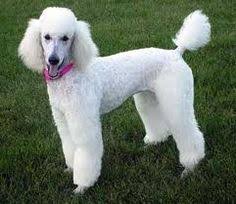
It’s also widely thought that Poodles are descended from Asian herding dogs and that they went with Germanic Goth and Ostrogoth tribes in order to finally become a German water dog. This theory has gained widespread acceptance over the years.
The Poodle may have originated from dogs who were transported out of the Asian steppes by the conquering North African Berbers. He eventually made his way into Portugal in the 8th Century with the Moors. This is yet another idea on the origin of the Poodle. In a similar manner, they were bred to have an above-average doggy intellect in addition to exceptional swimming abilities, which allows them to perform the role of the most effective water retrievers. As time progressed, they made the transition from the waterways to the laps of the elites as they became the preferred pets of European royal families. The toy and miniature versions of the French Poodle were bred so that they would make better companions. After that, it was discovered that their nose was particularly adept at tracking, which led to them taking up the profession of truffle hunter. Due to the fact that they are also natural entertainers, they were frequently used in circuses in the role of entertainers.
Breeders in the United States began making toy versions of the French Poodle around the turn of the 20th Century. Poodles of this breed and the standard Poodle are identical in every way except for their size.
Are There Other Types of Poodles?

In the meanwhile, the Federation Cynologique Internationale (FCI) includes a reference to four different varieties of Poodles in the official standard for the breed: the standard, the medium/Klein/Moyen, the miniature, and the toy.
The standard Poodle is the largest kind, while the toy poodle is the smallest. Miniatures are considered to be in the middle of the pack.
In recent years, teacup Poodles have also become increasingly popular, which has led to an increase in the number of breeders producing these dogs by making use of runts or puppies born with dwarfism.
Facts and Characteristics of French Poodle:

Most of the time, the ears are at or below eye level. It is thickly feathered and sits close to their head. Under their eyes, their muzzles are a little bit muscular, and their faces are straight and long.
This breed has a long neck that makes it look respectable. The ribs are well arched, and the chest is deep. It has a straight tail that is often held up. The coat can either have curls or strings on it.
A French Poodle’s curly or corded coat comes in 10 standard colors and 18 other colors that aren’t standard. They have curly coats, lively faces, and dark eyes, just like their larger breed siblings.
2- French Poodle Weight and Height
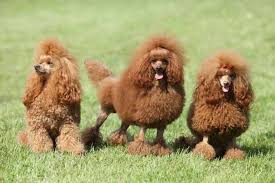
The American Kennel Club says that a Standard French Poodle is over 15 inches tall and weighs between 45 and 80 pounds. The Fédération Cynologique International (FCI), on the other hand, says that a Standard French Poodle is between 19 and 24 inches tall and weighs between 45 and 80 pounds.
On the other hand, the AKC does not list the height of a medium French poodle because they do not recognize this breed. But the FCI recognizes this size, which is between 14 and 18 inches tall and 40 to 50 pounds heavy. The AKC says that a miniature French poodle is between 11 and 15 inches tall and weighs between 14 and 18 pounds. FCI said it was between 12 and 13 inches tall and weighed between 14 and 18 pounds. Toy French Poodles are under 10 inches tall and weigh between 6 and 9 pounds. Aside from these four sizes, there is also a type of French Poodle called a “teacup French Poodle.” They aren’t as big as the toy, so they shouldn’t be confused with it. So far, there is no breed standard that says how big a teacup should be. However, breeders I know say that they usually weigh between 5 and 7 pounds and are 9 inches tall.
3- French Poodle Temperament
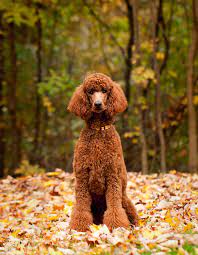
In contrast to the standard-sized puppies, which prefer to do nothing more than laze around with their favorite human companion, the smaller ones are frequently observed following their owners and occupying themselves with a variety of activities.
When it comes to children, the medium and tiny are more advanced than the toy and the teacup because they are slightly larger than the other two options. They are also more naughty and energetic, which allows them to readily adjust to the high level of energy that children exhibit. Because French Poodles have the disposition to be reserved and apprehensive around strangers, it is essential that you begin socializing with your French Poodle puppy as soon as you possibly can. They are also very silly, and they want to be the ones to start the games while they are with their family. The term “people dog” refers to the fact that French Poodles have an extreme fondness for their human companions. Their enthusiasm to please their owners is another factor that contributes to their high level of trainability.
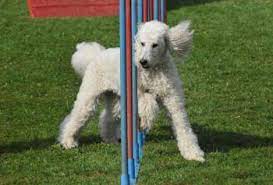
4- French poodle Training and Exercise
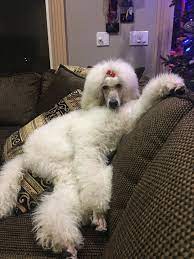
5- Grooming of Your French Poodle
6- Living Needs of French Poodles
These small athletes require plenty of space to roam and play in order to expend all of their excess energy; therefore, it is beneficial to provide them with a large yard that is enclosed by fencing or to take them to the dog park on a regular basis. Your Poodle needs lots of physical and cerebral activity in the form of playing games, and training, so prepares to spend plenty of one-on-one time with your pup. Because of their small size, they are able to live well in an apartment as long as their exercise needs are met. They are calm dogs that are well-trained in the art of socializing with children. Poodles can also get along well with other animals if they are properly socialized when they are young. However, because of the reality that they are prone to anxiety, poodles may not perform well in homes that are always filled with people, are noisy, and are otherwise disorganized.
7- French Poodle Personality: Bright, Energetic, and Alert
A typical French Poodle exhibits cheerfulness, liveliness, and friendliness. They are quick to warm up to new people, despite the fact that initially, they may be reserved with strangers. They are not extremely territorial, which makes them poor watchdogs and raises questions about their suitability as guard dogs. Nevertheless, if there is a definite threat, they will protect their owners and families by standing in front of them. However, for the most part, they are modest, serene, and watchful, and they provide their families and owners with the benefit of their playful and attentive company. French Poodle lovers frequently use the adjectives “intelligent,” “loving,” “loyal,” and “mischievous” to characterize the breed’s characteristic personality traits. The Poodle is also well-known for possessing what his admirers refer to as “an air of elegance,” which is a dignified personality that is difficult to define but simple to recognize in the dog. Poodles are known for their intelligence, which is one of their most distinguishing traits. It is frequently asserted about him that he possesses human-like intelligence, an extraordinary ability that amazes his owners. Naturally, intelligent dogs can be challenging housemates at times. They pick up bad and good behaviors very quickly, and they remember all they learn.
8- Ideal environment for a Poodle
Poodles are adaptive, which means that they will be comfortable in a variety of living situations, including a small apartment, a large house with a yard, and even a large house with multiple stories. They are going to be OK so long as they feel loved by you and have plenty of time to run around and get some fresh air outside. They will have a great time in the dog park if you take them there to play catch with a ball. They also enjoy going on hikes, particularly if the trail leads to a lake where they can swim at the end of it.
Poodles are also wonderful dogs to have in the house if you have other people living there. In addition, when they have been properly socialized, they have a tendency to be quite kind to children.
How Should You Take Care of your French Poodle?
Because French poodles do not have coats that shed, they are frequently an excellent choice for persons who suffer from allergies. However, the absence of shedding does not indicate that it is a coat that requires no maintenance. French poodles are super intelligent dogs that are relatively simple to teach and take great pleasure in making their owners happy.
As mentioned before, Training should be kept upbeat and interesting, and it should not be boring. French Poodles can live in a studio apartment or a multi-acre estate as long as they are given enough exercise and human contact to keep them happy.
They would much rather stay home and be with their loved ones than go out and socialize with the world. Your eager-to-please mini will quickly enter his zone if you encourage your dog with a lot of praise and maintain a consistent routine. Because French poodles are so devoted to their human companions, they often pick up housebreaking skills quickly.
It is highly recommended that first-time dog owners enroll in an obedience class taught by an experienced instructor. The majority of people who own little dogs don’t put their pets through training, which results in the dogs having poor manners.
French Poodle Lifespan and Health Issues:

In that case, according to The Poodle Club of America, they run the risk of developing one of the following health conditions:
1-Atrial Septal Defects: This is a relatively uncommon heart condition seen in the Poodles community. It has been discovered that the top chambers of the heart have a hole in them, which can cause issues with breathing, coughing, inability to tolerate the exercise, and ultimately heart failure.
2-Addison’s Disease: This extremely dangerous disorder is brought by inadequate production of adrenal hormones by the adrenal gland, which is also known as hypoadrenocorticism.
The symptoms of Addison’s disease in dogs typically include vomiting, loss of appetite, and lethargy. It is simple to put off making a diagnosis of this disease until it has progressed to a more severe stage because the symptoms are nonspecific and can be confused with those of other conditions.
3-Gastric dilatation-volvulus: It is a life-threatening disease that may affect large, deep-chested pups like French Poodles.
This condition has a higher probability of occurring in these dogs if they have consumed one huge meal a day, eat quickly, drink large volumes of water after eating, and exercise vigorously after eating. Poodles are particularly susceptible to this condition. The condition known as bloat happens when the stomach becomes twisted after being inflated with gas or air. This could be because of an imbalance in the pituitary gland or the adrenal glands, or it could be because of other illnesses that cause the body of the dog to create an excessive quantity of cortisol. Increasing the amount you drink and the number of times you urinate are two common symptoms.
4-Epilepsy: It is just one of many conditions that can cause seizures. Some of the other conditions that can cause seizures to include metabolic disorders, bacterial infections that affect the brain, tumors, exposure to poisons, severe head injuries, and many more.
If your Poodle is having seizures, it is imperative that you take him to the veterinarian as soon as possible for an examination.
5-Hip Dysplasia: Although there is a hereditary component to hip dysplasia in puppies, environmental factors can also play a significant influence in the development of the disorder.
Joint deterioration is a natural process that occurs over time and can eventually lead to arthritis, discomfort, and even disability. Dog hip dysplasia can be caused by a number of factors, including being overweight, engaging in strenuous or extended exercise before reaching maturity, having a rapid growth rate, and consuming meals high in calories or dietary supplements.
6-Hypothyroidism: Having an underactive thyroid gland is the primary cause of hypothyroidism. Hair loss, obesity, and lethargy have been linked to it, along with hyperpigmentation and pyoderma. Lethargy is another one of the symptoms.
7-Legg-Perthes Disease: Another condition that affects the hip joint is called Legg-Perthes disease. There are a lot of toy breeds that are susceptible to this problem.
When your Poodle has Legg-Perthes disease, the blood flow to the head of the femur (the large bone in the back of the thigh), which connects to the pelvis, is reduced, and the head of the femur begins to crumble. The initial signs of Legg-Perthes, which include limping and atrophy of the leg muscle, puppies usually start showing signs of between the ages of four and six months old.
8-Progressive Retinal Atrophy (PRA): it is a family of eye illnesses that causes the retina to gradually deteriorate over time.
PRA is an abbreviation for progressive retinal atrophy. A tolerance to nighttime light develops in affected canines in the early stages of the illness. As the condition progresses, they begin to lose their ability to see in the sunlight. Many affected dogs can cope with their eyesight loss to some degree if their surroundings do not alter.
9-Optic Nerve Hypoplasia: This is a congenital failure of growth of the optic nerve. This condition affects a person from birth. It results in total blindness and an aberrant reaction of the pupil in the eye that is afflicted.
10-Sebaceous Adenitis (SA): it is a major health concern in Poodles, particularly Standards. It is estimated that half of all Standard Poodles are either carriers of the condition or afflicted by it.
This hereditary disorder is difficult to diagnose, and it is frequently confused with hypothyroidism, allergies, and other conditions for which it may be mistakenly diagnosed. When a dog gets SA, the sebaceous glands in its skin become irritated for reasons that are not fully understood, and they eventually die off. Sebum is a fatty fluid that is normally produced by these glands. It has a role in preventing the skin from drying out.
11-Von Willebrand’s Disease: The inability of the blood to clot properly is one of the symptoms of Von Willebrand’s disease, which is an inherited blood illness.
The most prominent sign is abnormally heavy or prolonged bleeding following an injury or operation. Other symptoms include bleeding from the gums, nose, stomach, or intestines. Other symptoms include nosebleeds and gum bleeding.
There is only one treatment available at this time which is a blood transfusion that must be made from the blood of healthy dogs because there is no cure.
What to look for Before Buying a French poodle?
Poodles, like dogs of all breeds, have a higher risk of developing certain diseases than the general population, although they are generally healthy. Although it is true that not all Poodles will contract any or all of these diseases, If you are considering adding a French Poodle to your family, it is vital that you are aware of all of these things first. If you are interested in purchasing a puppy, you should look for a reputable breeder that is able to give you proof that both of the dog’s parents have been medically cleared. Clearances from the veterinarian demonstrate that a dog has been examined for and found to be free of a certain disease. The following medical testing has been suggested by the National Breed Club: 1. Examination of the Hip (Miniature and Standard) 2. Examination by an Ophthalmologist (Miniature, Standard, and Toy) 3. PRA Optigen DNA Test (Miniature and Toy) 4. Patella Evaluation (Miniature and Toy)
5. Examination by an Ophthalmologist (Miniature, Standard, and Toy)
How Much It Cost to Get a French Poodle?
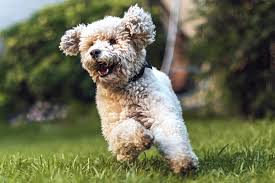
In addition, due to their coat, Poodles require the services of a professional groomer. If you want your puppy to constantly have a tip-top appearance, you should plan on spending between $600 and $1,000 each year on grooming service.
Where to Buy French Poodles:

1-AKC Marketplace: It is the most comprehensive breeder directory available, and it lists a large number of different types of Poodles. This online marketplace features only breeders who are also members of the organization that maintains it.
2-PCA National Breeder Referral: It is a resource that is maintained by the Poodle Club of America and provides users with a comprehensive list of breeders that are affiliated with the club. If you require breeder information such as a phone number or email address, you can get this information on their website.
3-Strut your Stuff: Outside of Wellington, Colorado, on an expansive ranch that spans 80 acres, you’ll find the breeding facility. Pedigree papers and OFA health certifications are included with every one of their puppies for sale.
Do you believe that adopting a child is the best choice for you? Here is a list of organizations that rescue French Poodles that you can get in touch with:
4-The Poodle Club of America Rescue Foundation: It is a charitable organization that is managed by the Poodle Club of America. Vaccinations, veterinary checkups, and spaying and neutering procedures were performed on the dogs in their care.
5-Carolina Poodle Rescue: Simply going to the website and looking at the available French Poodles for adoption is all that is required of you to do in order to get started. Simply clicking on the picture of the dog will take you to a page where you can read an extensive analysis of their character.
Be sure to get all of your questions answered, make arrangements to see the parent dogs or the mother, and always trust your gut.
If you go to a breeder and something doesn’t feel quite right, or if the poodle puppy seems like it’s too wonderful to be true, there’s usually something wrong with them. The American Kennel Club (AKC) also gives possibilities for locating a breeder; however, they have quite stringent regulations on who is permitted to participate.
Who would make the perfect companion for a French Poodle?
Before bringing a French Poodle into your home, there are a few things you need to bear in mind, as these dogs make fantastic companions for many different types of households. French Poodles are high-maintenance pets that need to be groomed and cared for on a regular basis. This could become significant over time and should be factored into your budget on a consistent basis. They tend to be calm when they are indoors, but they want ample room to run around and play on a daily basis. This could be an excellent opportunity for you to work together if you or a member of your family is a runner.
French Poodles demand a significant amount of mental and physical stimulation on a daily basis. This is not the breed for you if you are frequently absent from your residence for long stretches of time.
The French Poodle: 10 key Takeaways

10. Poodles have been owned by a lot of famous people in the United States.
FAQ’S For French Poodle:

Are French Poodles attached to one person?
A French Poodle will form a strong attachment to a single person, particularly if that person has treated them kindly and shown them a lot of attention in the past. Due to the fact that they have interests, this breed cannot be relied upon to treat everyone in an equitable manner.
What Is the Rarest Color of French Poodles?
The apricot color of the French Poodle is the rarest of all the colors. This is the ultimate authorized color for the breed, and it is a diluted version of the color red. Some apricot French Poodles have a coloring that is almost identical to cream.
Conclusion for French Poodle:
I would suggest that you stop referring to the breed by its geographical identification and call them Poodles instead, despite the fact that the name “French Poodle” is already widely used to refer to the breed that was developed in Germany. I only presented them as evidence to show that they are not a separate breed, contrary to what some misinformed pet owners assert.
If you find a breeder that sells his dogs under the moniker “French Poodle,” you should immediately withdraw your order to buy a puppy from them.